
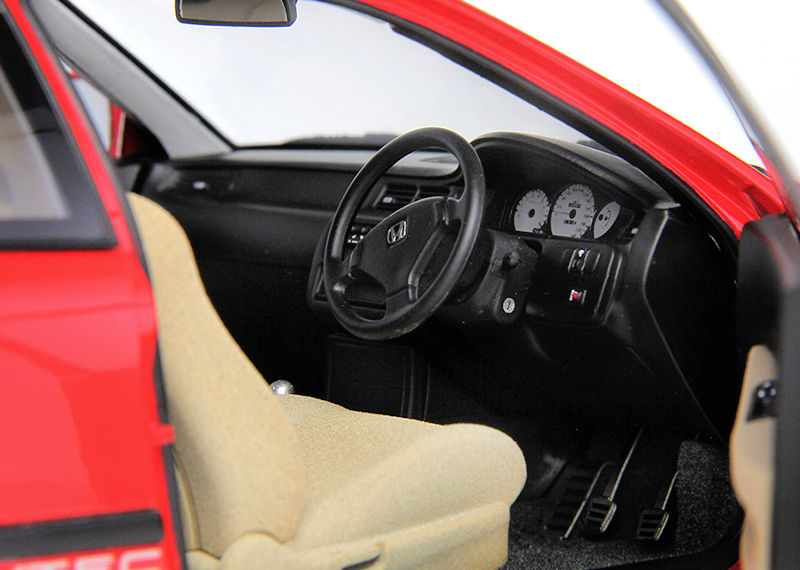
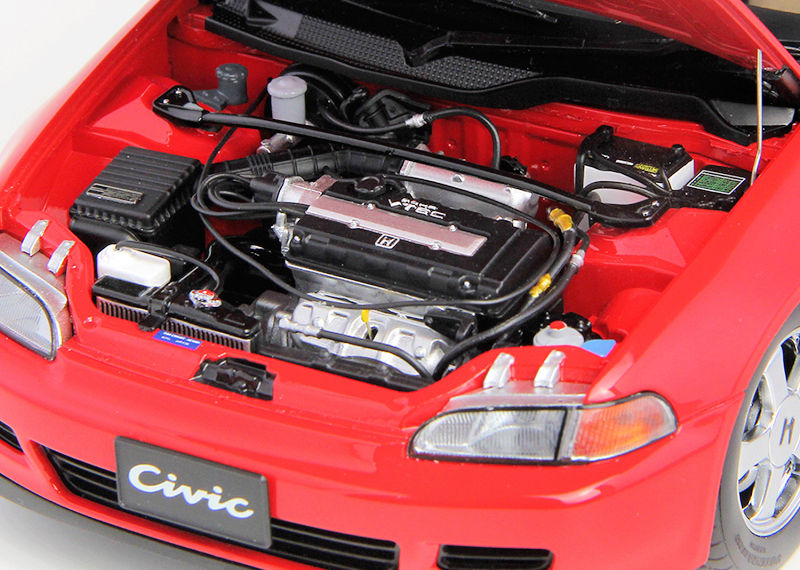
VTEC REVOLUTION
When Honda engineers perfected Variable Valve Timing and Lift Electronic Control in the late 1980s, they didn't just create another piece of automotive technology—they created a cult. The B16A engine was the first mass-production VTEC motor, and it fundamentally changed what drivers could expect from a naturally aspirated 1.6-liter engine.
The concept was elegant: two cam profiles per valve. At low RPMs, you get efficiency and tractability. At high RPMs, you get power and aggression. The transition happens at 5,800 RPM with an audible mechanical click—a sound that became legendary. The engine note changes. The power curve transforms. You're no longer driving a sensible hatchback; you're conducting an 8,000-RPM symphony.
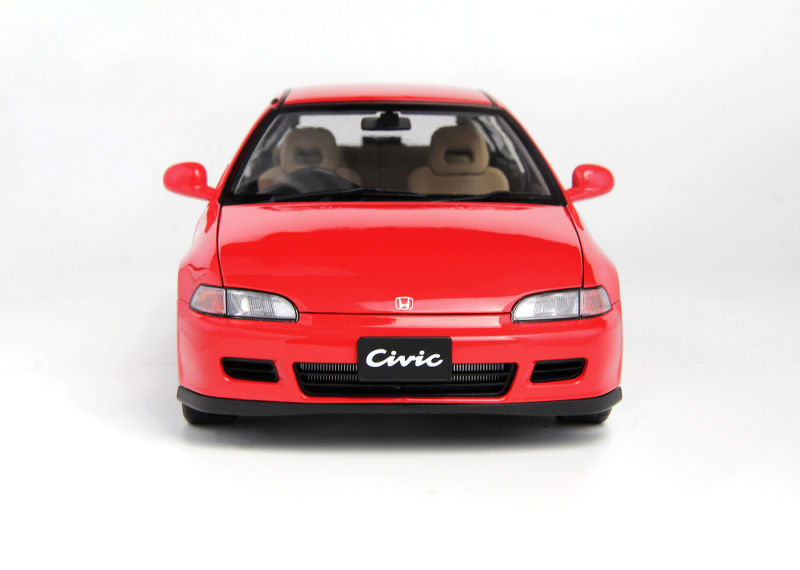
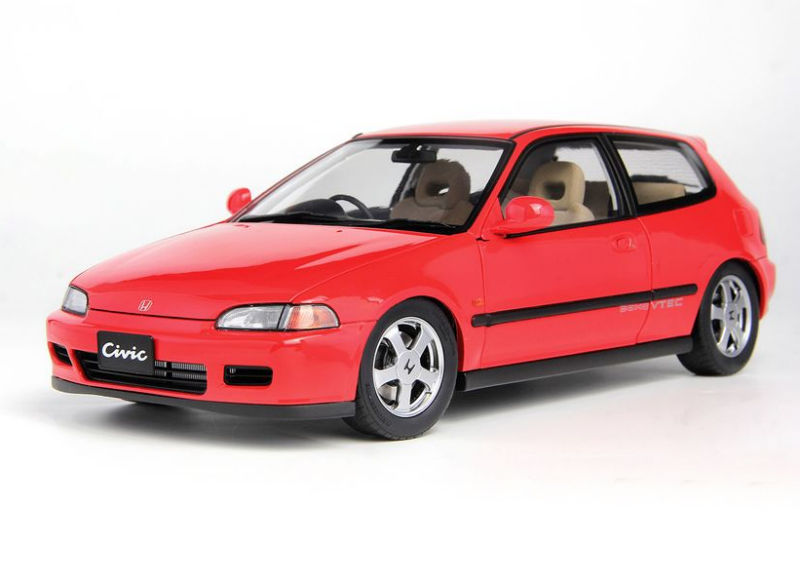
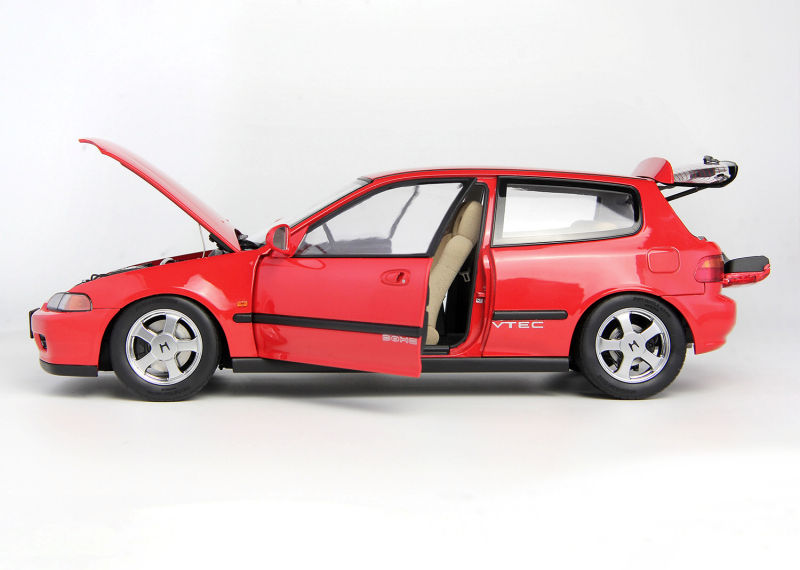
170 horsepower from 1.6 liters without turbocharging or supercharging. An 8,400 RPM redline. Power-to-weight that embarrassed much more expensive machinery. The EG6's VTEC wasn't just impressive on paper—it rewired how enthusiasts thought about engine displacement and power delivery.